Notes for building better websites.
Design, development, performance, headless CMS, and the decisions behind useful digital work.

What I now understand about websites, CMS, automation, and product
A synthesis of how I connect design, development, CMS, operations, and automation after several very different projects.
Read article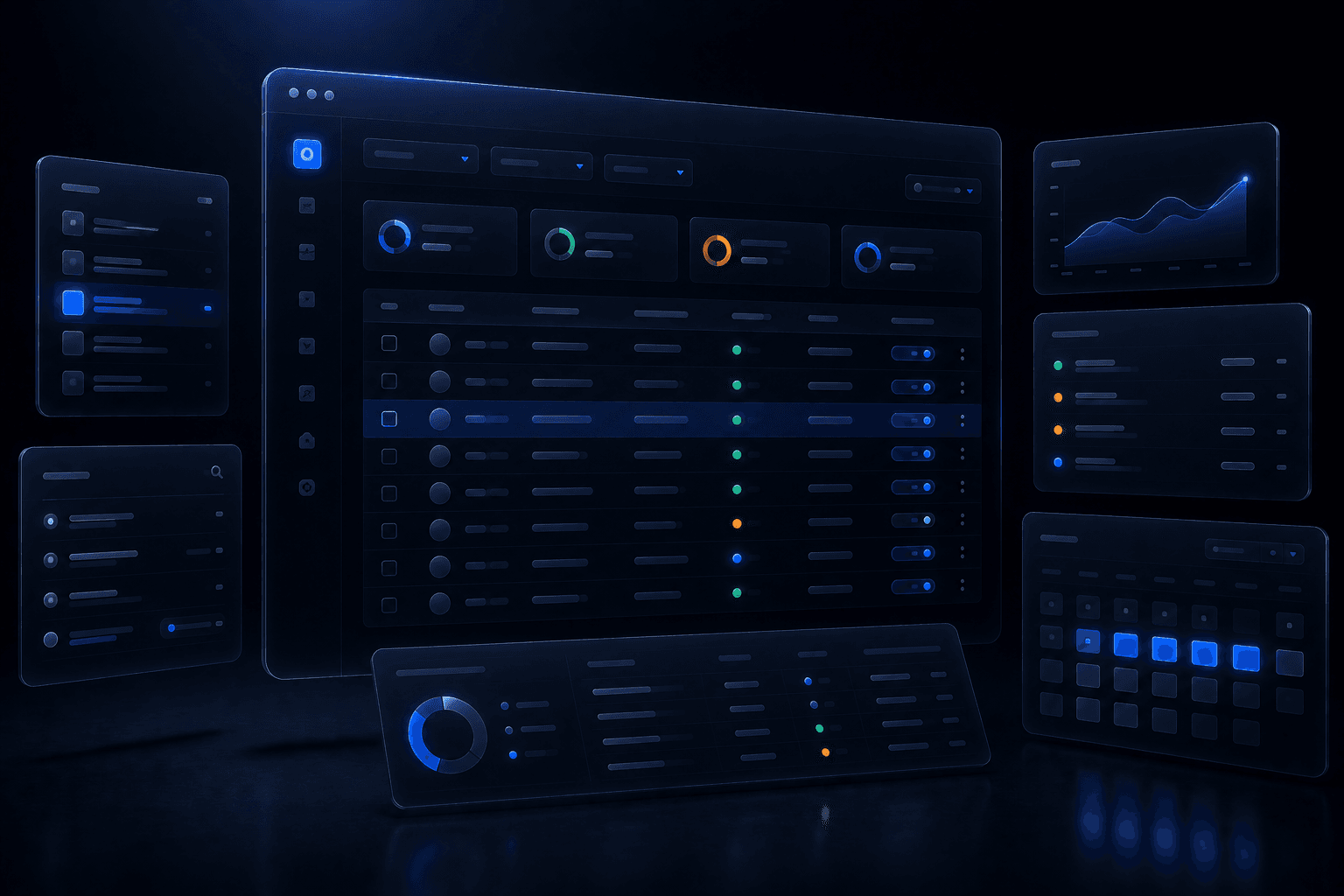
Internal dashboards: clarity before decoration
A serious dashboard does not need to impress in a screenshot. It needs to help people work better, faster, and with fewer mistakes.
Read article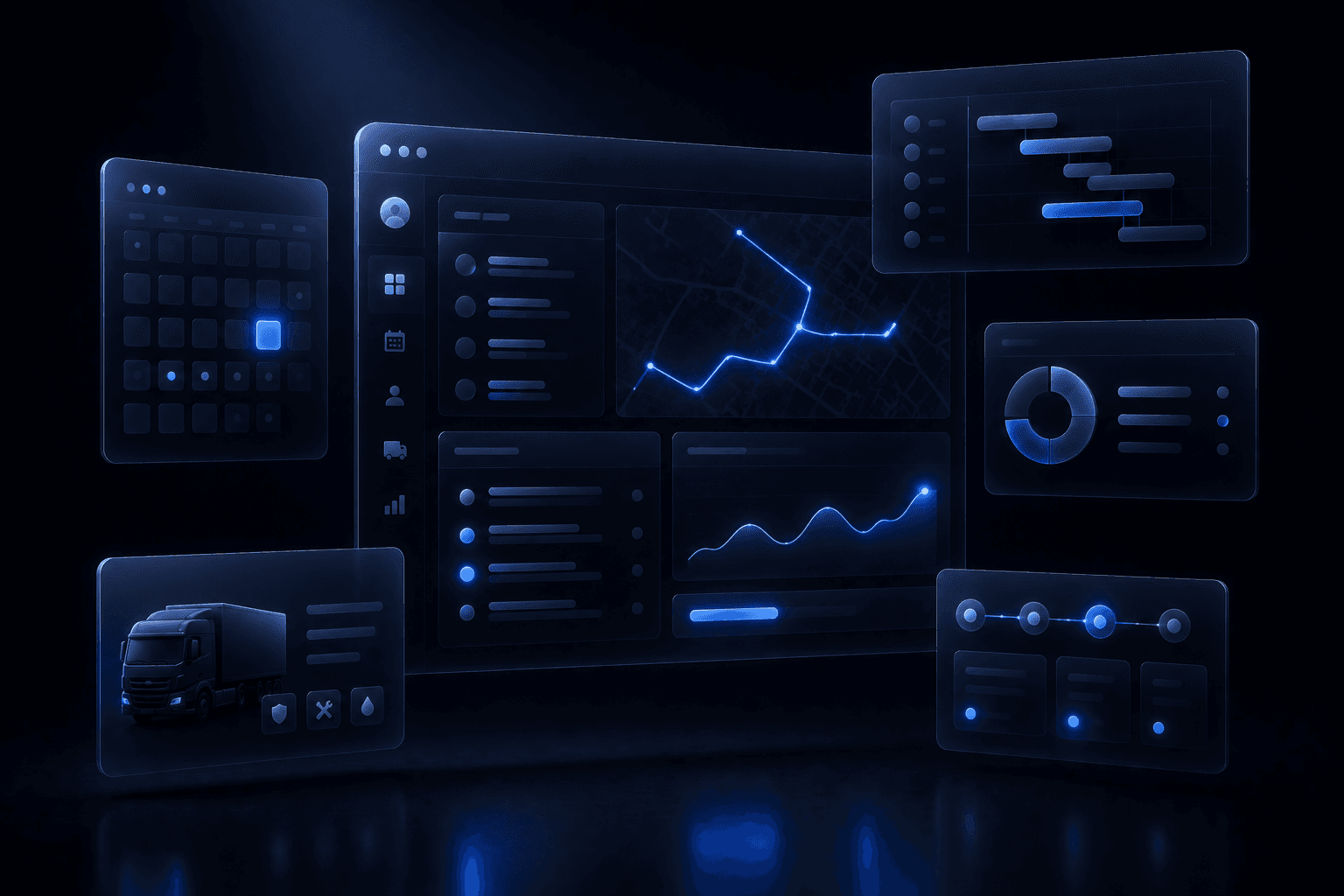
Drivers Management: turning complex operations into a usable product
What changes when an internal dashboard needs to support shifts, drivers, reports, vacations, compensations, and real rules.
Read article
OK Flows: forms, journeys, and Salesforce with more intent
Why a form can be much more than fields: logic, personalization, prefill, partial responses, and campaign connection.
Read article
CloudPages, forms, and Data Extensions without chaos
How to think about an SFMC landing page so the visible experience and internal data do not fight each other.
Read article
HTML emails: the strangest front-end that still matters
Building emails is still strange, limited, and necessary. That is exactly why it requires care.
Read article
Salesforce Marketing Cloud from the technical side
SFMC is not only sending emails: it is data, audiences, CloudPages, AMPscript, journeys, QA, and operations.
Read article
Marketing automation: the website does not end at the click
A website can be the beginning of a system: acquisition, forms, CRM, emails, journeys, and follow-up.
Read article
From pretty page to maintainable system
The difference between a website that looks good on day one and a website that can grow without breaking.
Read article
Designing web services as packages, not loose lists
A service is easier to understand when it has a promise, scope, process, deliverables, and clear limits.
Read article
Why not everything needs a contact form
Sometimes removing the form improves the experience: less friction, more clarity, and direct contact when it makes sense.
Read article
Technical SEO for portfolios and small websites
The basics a small website should handle well: metadata, structure, sitemap, robots, performance, and useful content.
Read article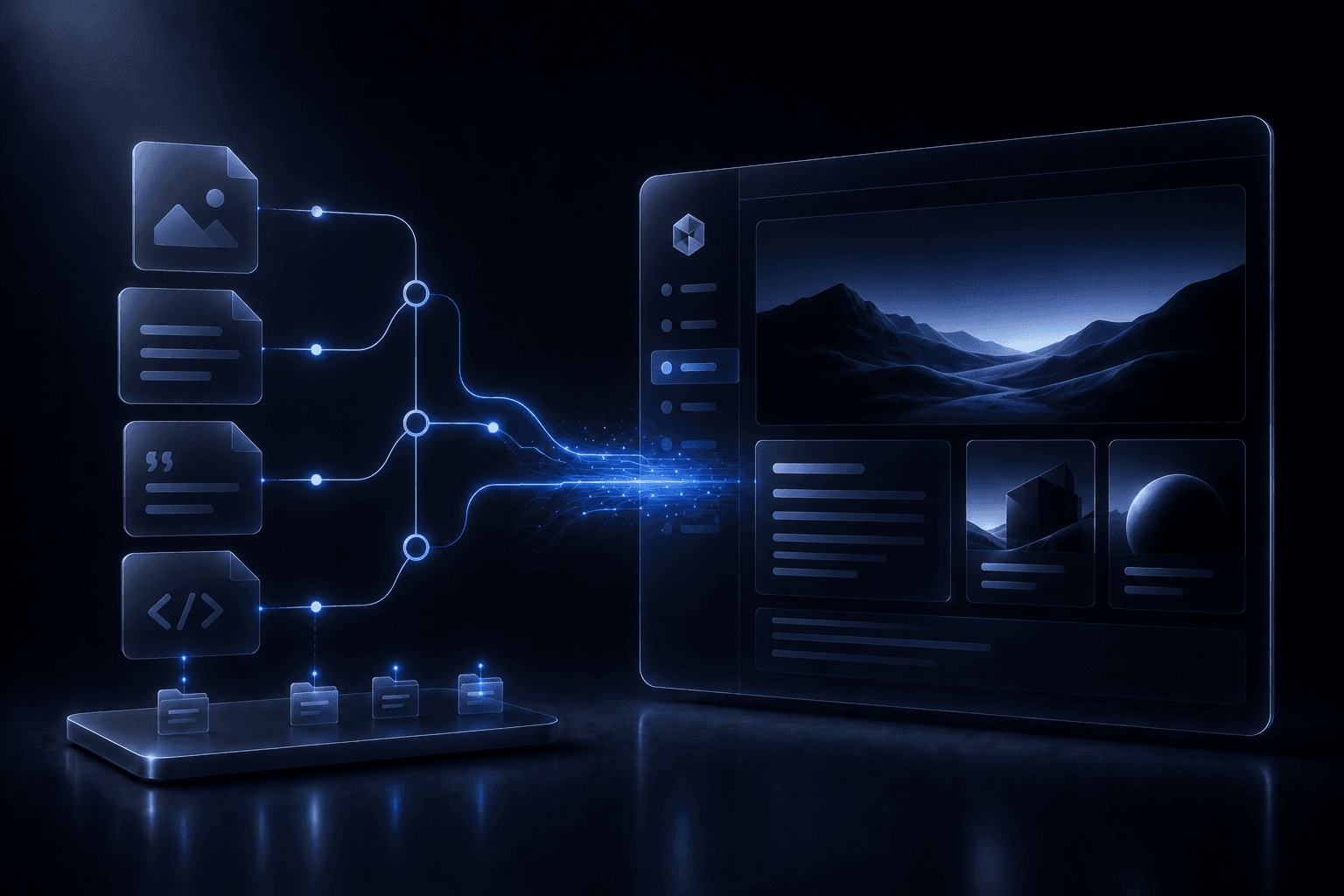
Keystatic for static websites: simple editing without losing performance
A lightweight way to give a static website content editing without turning it into a heavy application.
Read article
What a client should be able to edit in their CMS
Not everything should be open in a CMS. The key is giving autonomy where it creates value and protecting the experience where needed.
Read article
Good content modeling prevents pain later
Editable content does not start in the editor, it starts in how you separate entities, fields, and relationships.
Read article
GTFS, routes, and timetables: when a website stops being just a website
What changes when a public website needs to show real transport data, timetables, stops, and route patterns.
Read article
Payload CMS with PostgreSQL: when content needs real structure
Why Payload and PostgreSQL fit projects where content stops being text and starts becoming a system.
Read article
How to turn a portfolio into a commercial tool
A portfolio should not be only a gallery: it should explain value, process, judgment, and reasons to start a conversation.
Read article
Apple-like design applied to small portfolios
What taking inspiration from Apple means without copying it: clarity, space, focus, honest imagery, and calm hierarchy.
Read article
Web performance: less weight, more intention
Performance is not only a technical metric: it is clarity, respect for the user, and better maintenance.
Read article
Next.js, Astro, or WordPress: choosing without marrying the stack
A practical way to choose technology based on content, editing, performance, maintenance, and real project growth.
Read article
Headless CMS explained without the hype
What using a headless CMS really means, when it creates value, and when it only adds an unnecessary layer.
Read article
WordPress yes, but not always as the whole website
WordPress is still useful, but it is worth deciding whether it should be the whole system or only the editorial layer.
Read article
Why a good website starts before design
Before choosing colors or blocks, a website needs clear goals, organized content, and an honest idea of what it must achieve.
Read article
Astro for small websites: speed, focus, and less maintenance
Why Astro fits small corporate websites, portfolios, and projects where content matters more than app complexity.
Read article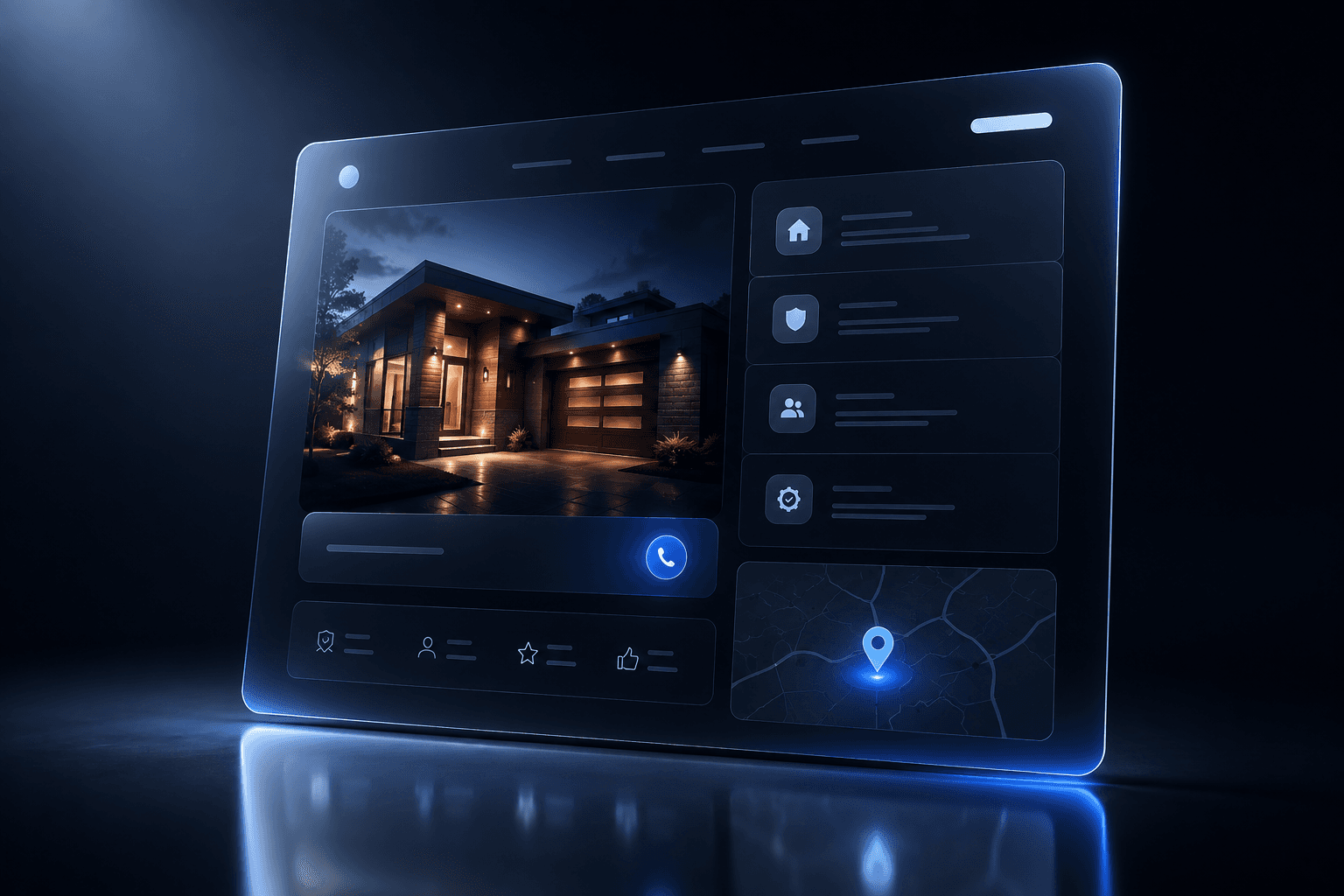
A local website does not need to be big, it needs to be clear
What a local business website should solve: trust, understandable services, speed, and frictionless contact.
Read article
What I learned recreating a SaaS landing page like Linear
A practical look at what rebuilding a premium SaaS landing page teaches: visual rhythm, hierarchy, detail, and product judgment.
Read article
Recreating Linear’s landing page in code
A practical look at recreating the visual precision of Linear’s landing page with React, CSS, and careful interaction details.
Read article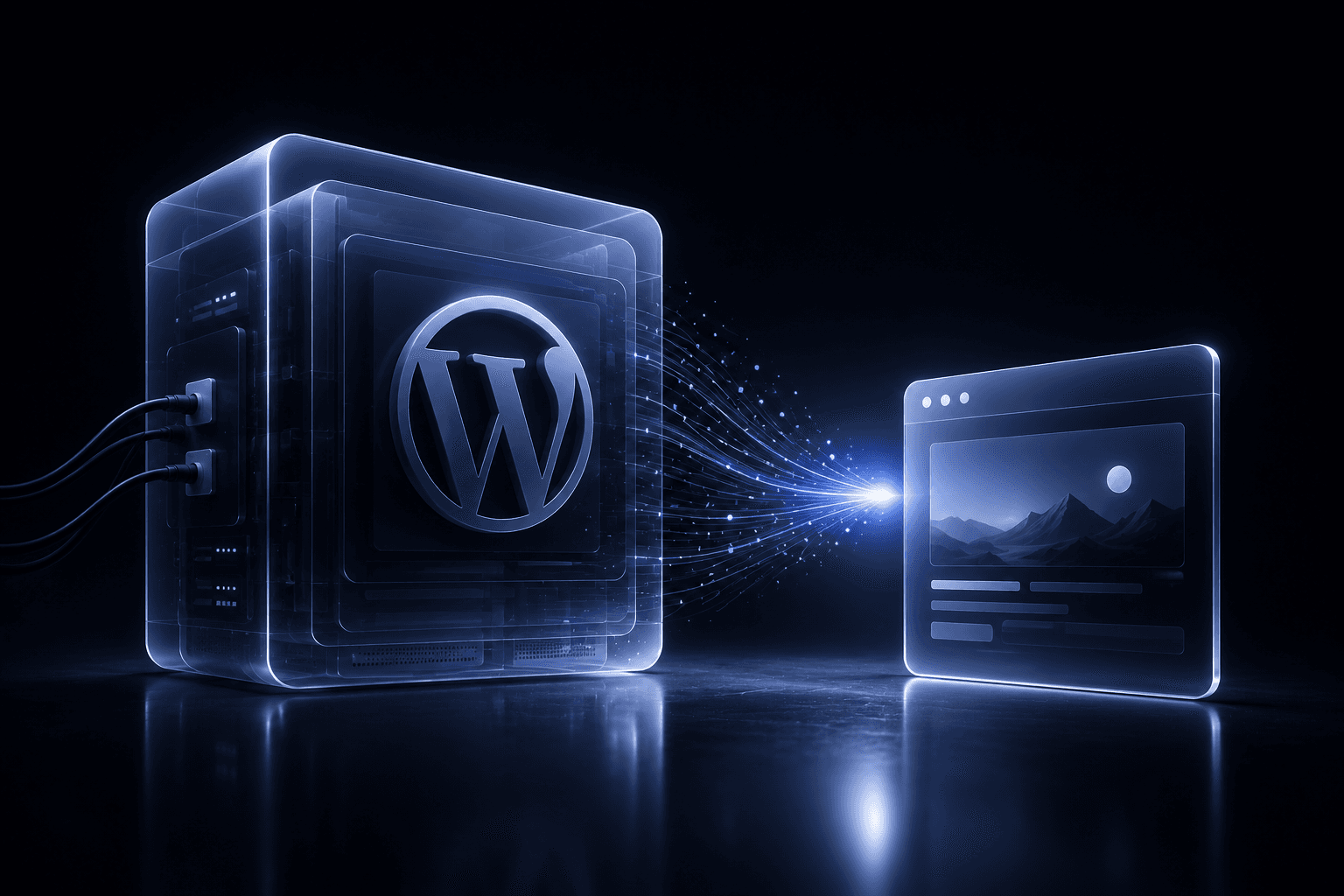
WordPress in the headless era: benefits and implementation guide
How to use WordPress as a headless CMS while building a faster, custom frontend with modern JavaScript.
Read article
A look ahead: web development innovations shaping 2024
A friendly overview of the web development trends that shaped 2024: AI, immersive interfaces, voice, performance, and privacy.
Read article
Maximizing flexibility and performance with a headless CMS, Next.js, and Astro
Why combining a headless CMS with modern frameworks like Next.js and Astro can create faster, more flexible websites.
Read article
The environmental impact of WordPress websites
A close look at how WordPress can affect the carbon footprint of a website, and how to build lighter, cleaner digital products.
Read article
Rising trends in web design and development
The design and development trends shaping modern websites: clarity, mobile-first UX, AI, microinteractions, security, and bolder visual systems.
Read article